Featured
Table of Contents
Accuracy in the 2026 Digital Auction
The digital advertising environment in 2026 has actually transitioned from basic automation to deep predictive intelligence. Manual bid modifications, as soon as the standard for managing search engine marketing, have become largely irrelevant in a market where milliseconds identify the distinction between a high-value conversion and wasted invest. Success in the regional market now depends on how efficiently a brand can expect user intent before a search question is even fully typed.
Existing techniques focus heavily on signal combination. Algorithms no longer look simply at keywords; they synthesize countless data points consisting of local weather condition patterns, real-time supply chain status, and individual user journey history. For companies operating in major commercial hubs, this suggests ad invest is directed towards minutes of peak possibility. The shift has forced a relocation away from fixed cost-per-click targets toward flexible, value-based bidding designs that focus on long-term profitability over mere traffic volume.
The growing need for Local PPC shows this complexity. Brand names are understanding that basic wise bidding isn't sufficient to exceed competitors who use sophisticated device finding out designs to change quotes based upon anticipated lifetime worth. Steve Morris, a frequent commentator on these shifts, has kept in mind that 2026 is the year where data latency ends up being the main enemy of the marketer. If your bidding system isn't reacting to live market shifts in real time, you are paying too much for every click.
The Effect of AI Search Optimization on Paid Bidding
AI Engine Optimization (AEO) and Generative Engine Optimization (GEO) have essentially altered how paid placements appear. In 2026, the distinction in between a traditional search results page and a generative response has actually blurred. This requires a bidding strategy that accounts for exposure within AI-generated summaries. Systems like RankOS now provide the required oversight to make sure that paid ads look like pointed out sources or appropriate additions to these AI reactions.
Effectiveness in this new era requires a tighter bond between organic visibility and paid presence. When a brand name has high organic authority in the local area, AI bidding models typically discover they can reduce the quote for paid slots since the trust signal is already high. On the other hand, in extremely competitive sectors within the surrounding region, the bidding system should be aggressive sufficient to secure "top-of-summary" placement. Targeted Local PPC Ad Campaigns has emerged as a vital part for companies attempting to maintain their share of voice in these conversational search environments.
Predictive Budget Plan Fluidity Throughout Platforms
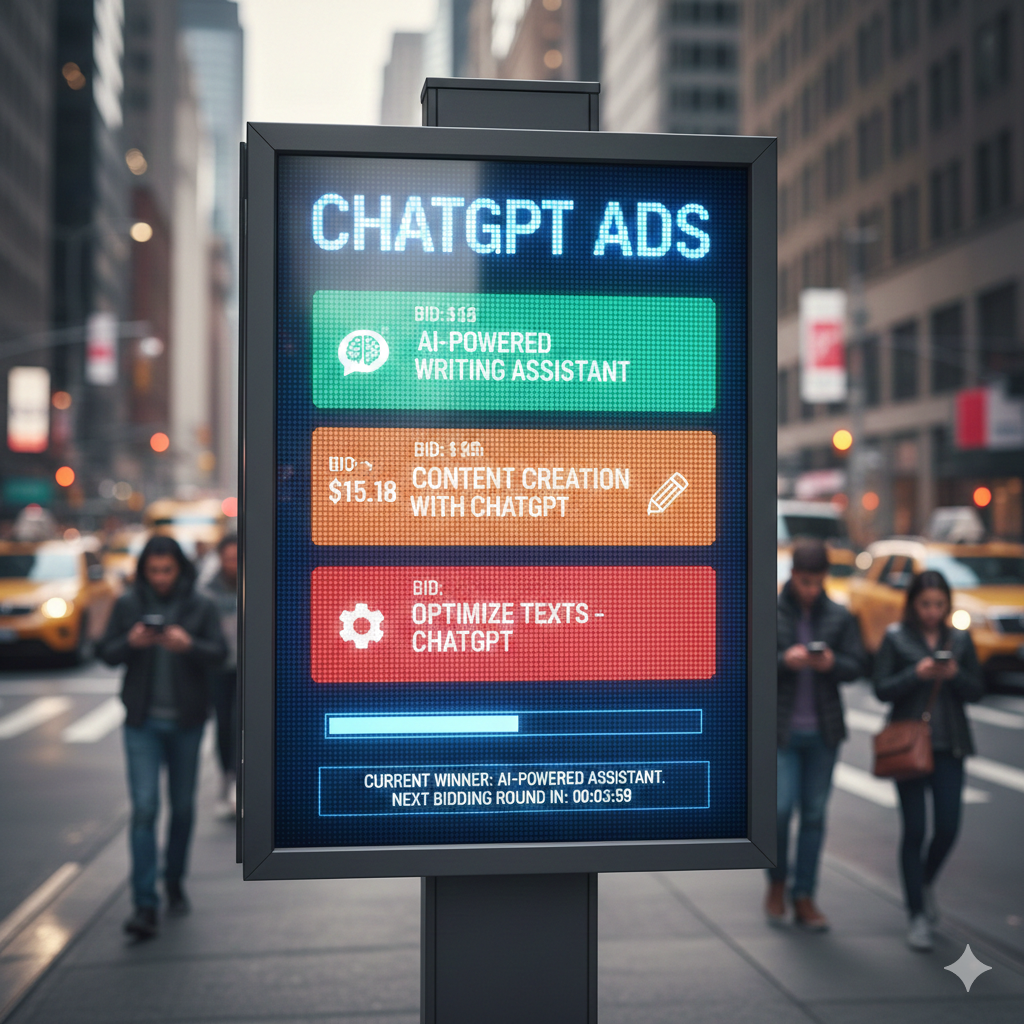
One of the most significant modifications in 2026 is the disappearance of rigid channel-specific budget plans. AI-driven bidding now runs with total fluidity, moving funds between search, social, and ecommerce marketplaces based on where the next dollar will work hardest. A project may invest 70% of its budget plan on search in the early morning and shift that completely to social video by the afternoon as the algorithm detects a shift in audience behavior.
This cross-platform technique is particularly useful for company in urban centers. If an abrupt spike in regional interest is spotted on social media, the bidding engine can immediately increase the search budget plan for Local Ppc That Drives Real Action to capture the resulting intent. This level of coordination was difficult 5 years ago but is now a standard requirement for efficiency. Steve Morris highlights that this fluidity prevents the "spending plan siloing" that used to cause substantial waste in digital marketing departments.
Privacy-First Attribution and Bidding Precision
Privacy policies have continued to tighten up through 2026, making traditional cookie-based tracking a distant memory. Modern bidding techniques depend on first-party data and probabilistic modeling to fill the spaces. Bidding engines now use "Zero-Party" data-- info voluntarily offered by the user-- to refine their accuracy. For an organization located in the local district, this may involve using local shop check out data to inform how much to bid on mobile searches within a five-mile radius.
Since the data is less granular at an individual level, the AI focuses on mate habits. This shift has actually enhanced efficiency for numerous marketers. Instead of chasing after a single user across the web, the bidding system recognizes high-converting clusters. Organizations seeking Local PPC for Small Businesses discover that these cohort-based models minimize the expense per acquisition by overlooking low-intent outliers that formerly would have activated a quote.
Generative Creative and Bid Synergy
The relationship between the advertisement imaginative and the bid has never been closer. In 2026, generative AI develops countless advertisement variations in genuine time, and the bidding engine designates specific bids to each variation based upon its forecasted efficiency with a particular audience section. If a particular visual style is converting well in the local market, the system will immediately increase the quote for that creative while pausing others.
This automatic screening occurs at a scale human managers can not reproduce. It makes sure that the highest-performing properties constantly have the many fuel. Steve Morris mentions that this synergy in between imaginative and bid is why contemporary platforms like RankOS are so efficient. They look at the entire funnel instead of just the moment of the click. When the ad innovative completely matches the user's predicted intent, the "Quality Rating" equivalent in 2026 systems increases, successfully reducing the cost required to win the auction.
Regional Intent and Geolocation Methods
Hyper-local bidding has reached a brand-new level of sophistication. In 2026, bidding engines represent the physical movement of customers through metropolitan areas. If a user is near a retail place and their search history suggests they remain in a "factor to consider" phase, the bid for a local-intent ad will skyrocket. This makes sure the brand name is the very first thing the user sees when they are probably to take physical action.
For service-based organizations, this implies ad spend is never squandered on users who are beyond a practical service area or who are browsing throughout times when business can not respond. The efficiency gains from this geographic precision have actually enabled smaller companies in the region to compete with nationwide brands. By winning the auctions that matter most in their specific immediate neighborhood, they can keep a high ROI without requiring an enormous international budget plan.
The 2026 pay per click landscape is specified by this move from broad reach to surgical precision. The combination of predictive modeling, cross-channel spending plan fluidity, and AI-integrated exposure tools has actually made it possible to remove the 20% to 30% of "waste" that was historically accepted as a cost of doing business in digital advertising. As these innovations continue to develop, the focus stays on ensuring that every cent of ad spend is backed by a data-driven prediction of success.

Latest Posts
Why AEO Redefines Digital Visibility
How to Future-Proof Brand Strategy for 2026
Why Public Relations Influences ROI and Trust